Child health is one of the most overlooked areas of healthcare in developing countries, and Pakistan is no exception. Every year, hundreds of thousands of children here die before their fifth birthday, many from causes that trained health workers can prevent or treat early.
For doctors, nurses, pharmacists, public health workers and other health graduates, this gap is also an opportunity. Specialised knowledge in child health makes you more useful to your patients and more valuable to your employer. The challenge is time and money. Most working professionals cannot leave their jobs for a full-time campus programme, and the cost of regular postgraduate study is out of reach for many.
That is why an online diploma in child health has become a practical option. This article explains why child health skills matter in Pakistan today, who can benefit from this type of training, what a good programme should cover, and how to judge whether a course is worth your time and money.
Child Health in Pakistan: Where Things Stand
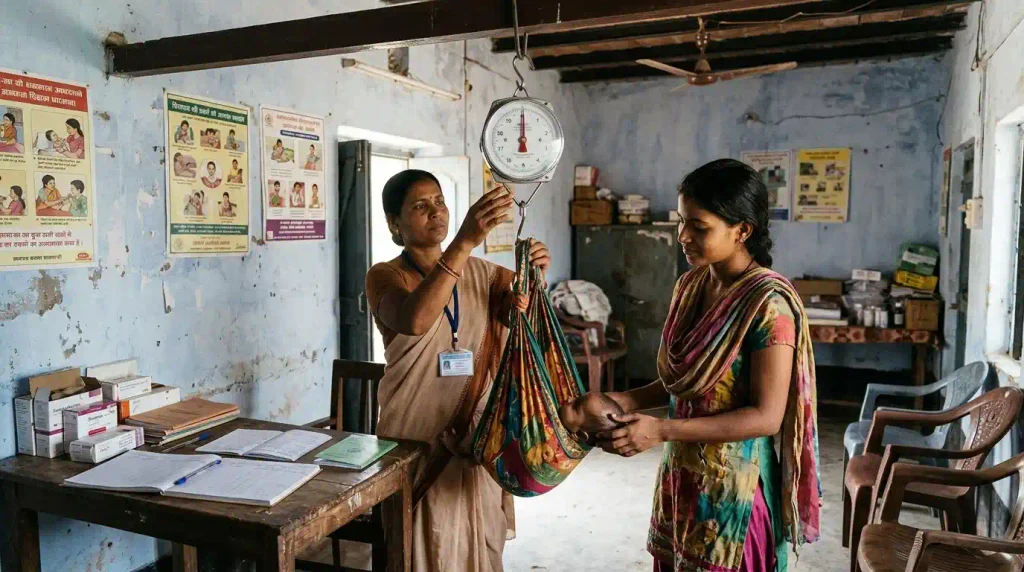
Pakistan has made real progress in reducing child deaths since 1990, but the numbers remain high compared with neighbouring countries.
According to the 2017-18 Pakistan Demographic and Health Survey, as reported by UNICEF, about 42 of every 1,000 babies died in the first month of life, and 74 of every 1,000 children died before turning five. UNICEF’s more recent estimates for 2022 put the under-five mortality rate at around 61 per 1,000 live births, and show that nearly two in three of these deaths happen in the first month of life.
UNICEF’s regional analysis points to the same pattern across Southern Asia: most child deaths are linked to complications in the newborn period, such as preterm birth, birth asphyxia, infections and congenital conditions. Provincial figures also vary widely, which means access to trained health workers makes a real difference.
These figures are a reminder that better child health outcomes depend on people. Hospitals and clinics need professionals who can recognise danger signs early, counsel parents correctly and follow current guidelines for newborn and child care.
Why Child Health Training Matters for Health Graduates
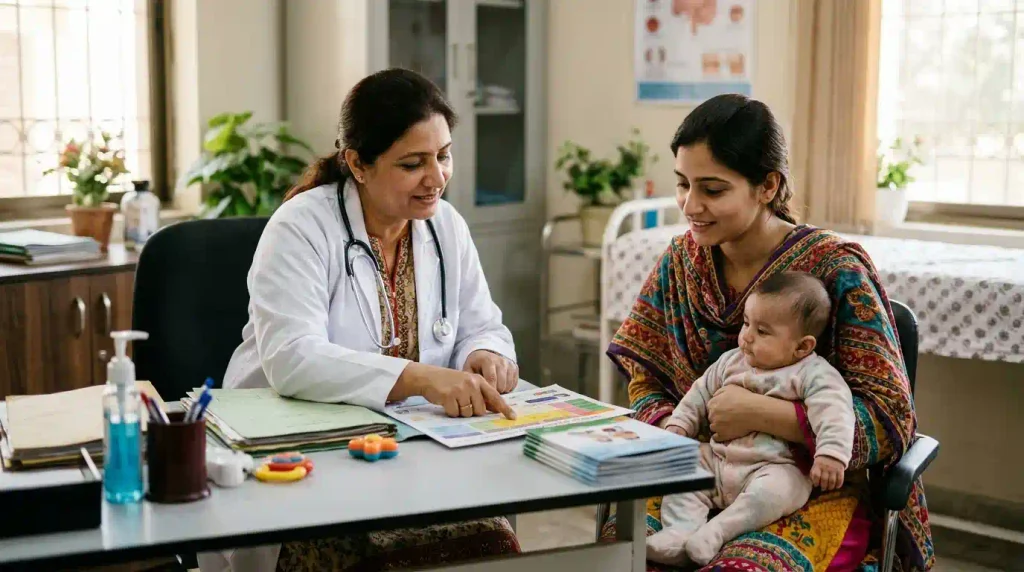
Most health degrees give you a broad foundation, but they rarely go deep on children. Infants and young children are not small adults. Their doses, danger signs, nutritional needs and developmental milestones are different, and mistakes can cost more.
Focused training in child health helps you in several ways:
- Earlier recognition of illness. You learn to spot warning signs of pneumonia, diarrhoea, malnutrition and neonatal infections before they become emergencies.
- Safer, more confident practice. Structured knowledge of growth monitoring, immunisation schedules and child-specific care reduces guesswork.
- Better counselling for families. Parents often look to health workers for guidance on feeding, vaccination and development, and clear advice builds trust.
- Stronger career prospects. A recognised child health qualification shows employers and NGOs that you have invested in a priority area of public health.
- Wider impact. In primary care, community health and outreach work, one well-trained professional can improve the care of many children.
Why Online Learning Suits Working Professionals
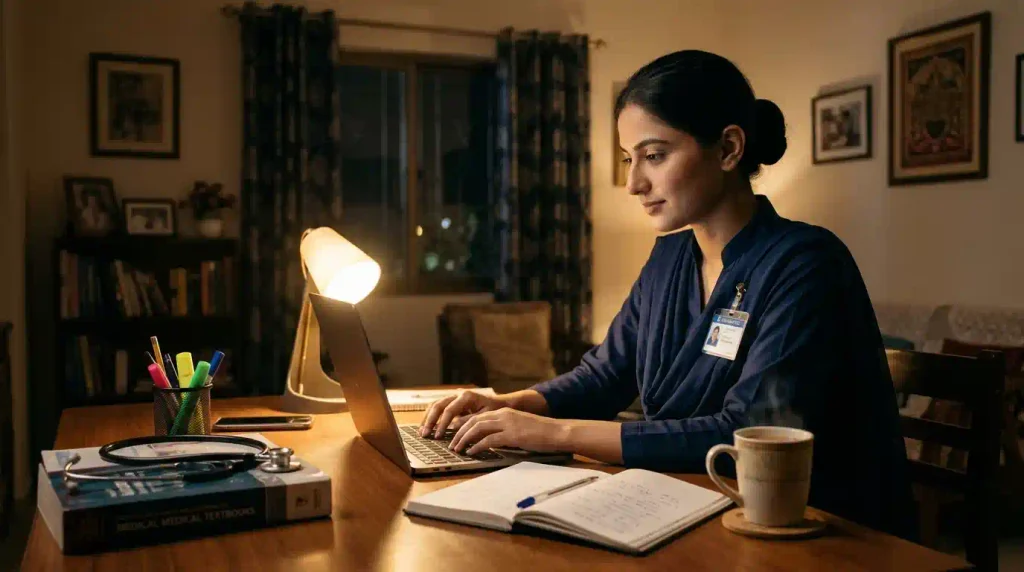
Health graduates in Pakistan often work long shifts, rotate between facilities or live far from major university cities. Online study removes several of these barriers.
- Flexibility. You study after duty hours, on weekends or during quieter periods, without taking leave.
- Lower cost. There are no relocation, hostel or daily commuting expenses, and many online programmes charge far less than regular postgraduate degrees.
- Access from anywhere. Graduates in smaller cities, remote districts or overseas can follow the same material as those in large urban centres.
- Immediate application. You can apply what you learn to real patients the next day and connect lessons to your own clinical experience.
Online learning is not easier, though. It rewards discipline, so look for a programme with clear modules, assessments and learner support rather than a collection of recorded lectures.
Who Should Consider a Child Health Diploma?
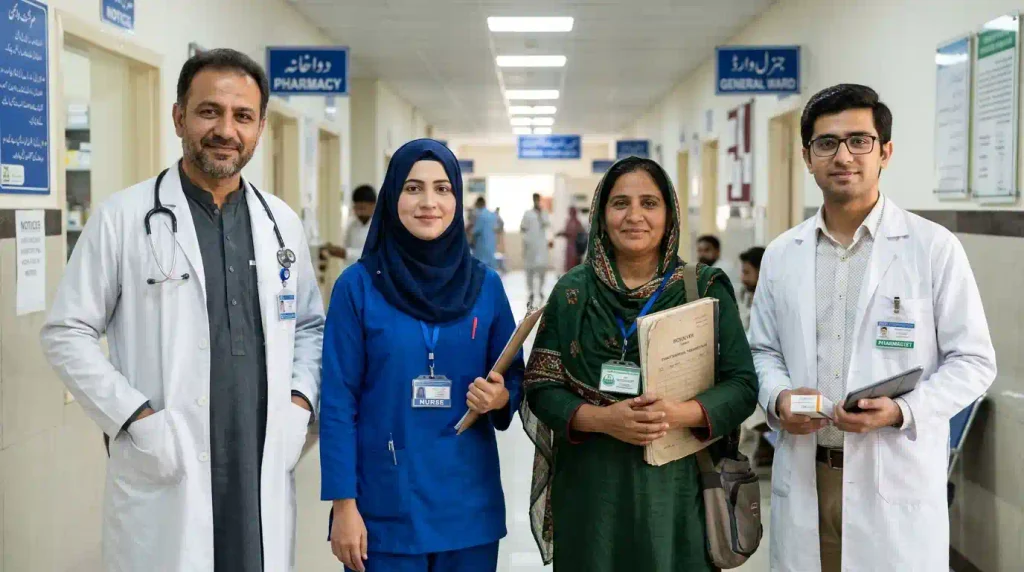
A diploma in child health is useful for anyone whose work touches the health of infants, children or their families, including:
- Doctors and medical graduates working in general practice or primary care
- Nurses, midwives and lady health workers
- Pharmacists and allied health professionals
- Public health and community health workers
- Health programme staff in NGOs and development organisations
- Graduates who want to build a foundation before specialising further
What a Good Programme Typically Covers
Content varies by provider, but a solid child health course usually includes:
- Normal growth and development from birth through childhood
- Newborn care and common neonatal problems
- Immunisation and preventive care
- Child nutrition, breastfeeding and malnutrition
- Common childhood infections, including respiratory and diarrhoeal illness
- Assessment, danger signs and when to refer
- Communication with parents and caregivers
Always check the actual module list of the programme you are considering.
How to Choose a Credible Online Child Health Programme
Not every online course delivers real value. Before you enrol, check the following:
- Awarding body and partners. Find out who issues the certificate and whether the partner institutions are real and verifiable.
- Recognition for your purpose. If you need the qualification for licensing, a government post or an overseas job, confirm with the relevant authority or employer that it will be accepted. An online diploma builds knowledge and skills, but it does not replace registration requirements set by bodies such as the PMDC or the Pakistan Nursing Council.
- Curriculum and assessment. Look for a clear syllabus, defined learning outcomes and real assessments, not just a certificate for attendance.
- Transparent fees and duration. The total cost, payment terms and study time should be stated up front.
- Verification. A good provider lets employers confirm your certificate.
- Reviews and support. Read what past students say and check how learner support works.
Taking ten minutes to check these points can save you months of effort and a lot of money.
PDRi’s Approach to Online Child Health Training
PDRi works to make professional training and certification accessible to working professionals in Pakistan and overseas. Through its online learning platform, it offers a certified programme in child health and development designed for health professionals who want practical, up-to-date training at an affordable cost.
PDRi delivers its programmes in collaboration with international partners, including Azteca University in Mexico and TRACCERT in Canada. Learners can also review PDRi’s admission procedure, fee structure and online certificate verification guide before applying.
To explore other options, see PDRi’s health and clinical courses or its complete guide to online diploma courses in Pakistan.
Frequently Asked Questions
What is an online diploma in child health?
It is a structured course delivered over the internet that teaches the health care of infants and children, including growth, nutrition, immunisation and common illnesses. It is meant for health professionals who want focused training without attending a campus.
Who can enrol?
Eligibility depends on the provider, but these courses are usually aimed at doctors, nurses, pharmacists, public health workers and other health graduates. Check the entry requirements of your chosen programme.
Can I study while working full time?
Yes. Online programmes are designed for self-paced or flexible study, so you can learn around your duty schedule.
Is an online diploma valid for jobs in Pakistan or abroad?
That depends on the employer, the regulator and the awarding institution. Confirm acceptance with the organisation you plan to apply to before you enrol, especially for licensing or government posts.
Does a diploma replace a specialist qualification?
No. A diploma strengthens your knowledge and skills in child health, but it does not replace a medical specialist degree or professional registration.
Conclusion
Child health needs more trained professionals in Pakistan, and online study gives busy health graduates a realistic way to build those skills. The right programme improves how you care for children today and opens doors for your career tomorrow.
If you are considering this step, compare programmes carefully, confirm recognition for your own goals and choose one that fits your schedule and budget. To learn more about PDRi’s child health training, visit the programme page or contact the PDRi team.
Sources
- UNICEF Pakistan 2023 Country Office Annual Report: PDHS 2017-18 neonatal, infant and under-five mortality rates
- UNICEF Pakistan: Progress in reducing child deaths slows (2025): Southern Asia child mortality patterns
- State of Children: Child Mortality Indicators of Pakistan: UNICEF 2024 estimates for 2022 (under-five rate 61 per 1,000; neonatal share of under-five deaths)